Do Women Need to Train Differently From Men?
Dr. Nhehern Acharya (PT) · · 7 min read

The short answer first
Women do not need a separate, softer set of rules for getting stronger. They need the same rules as everyone else, applied to their own body, their own history and their own stage of life. That is not a gym opinion. It is where the world's largest strength and conditioning organisation has landed after reviewing nearly forty years of research.
In August 2026, the NSCA published its new guidelines on training women, in two long papers in the Journal of Strength and Conditioning Research. It is their first full update on the subject since 1989. One paper covers the stages of a woman's life, injuries and health. The other covers how women respond to training and how programs should be built. This article is the first in a series of seven working through what they say, because a great deal of what women get told about exercise still sits on top of that 1989 paper, or on top of nothing at all.
What did the experts change their minds about?
Less than you might expect, and that is the interesting part. Back in 1989, the experts concluded that women should train for strength in the same basic way as men, using similar methods, programs and exercises. Thirty seven years later, with far more women studied and far better studies to draw on, the new guidelines keep that same core conclusion. The basics of training, like gradually making the work harder over time, practising the movements you want to improve, and resting properly between sessions, apply to every human body.
What the update adds is detail. Women are not simply smaller men, and the papers are clear that real differences exist: in how fast and how much the body adapts, in which injuries show up most often, and in what needs watching at different ages. The differences are real. They just do not add up to a different set of training rules for most women.
So what is actually the same?
Almost everything that matters in a normal training week. Muscles respond to gradually increasing loads in the same way. Strength is built with the same tools: the big movements that use lots of muscles at once, gradually heavier weights, enough total work, enough rest. Reviewing how women respond to training, the guidelines found that women's muscles are highly responsive to it. In one respect, they are ahead of men's.
There is no women's version of gradually lifting heavier, and there never needed to be. If a program is too light to make a man stronger, it is too light to make a woman stronger, whatever colour the dumbbells are painted.
"Women do not need a different set of rules for getting stronger. They need the same rules, properly applied, and coaches who actually apply them."
Then what is different?
Three things, and the rest of this series takes them one at a time.
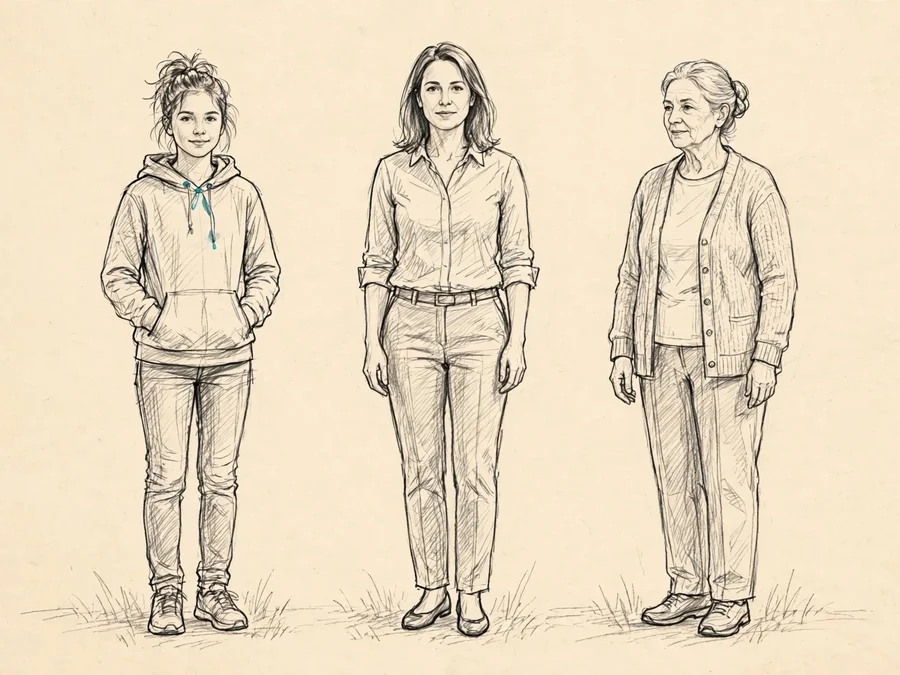
The stages of life
Puberty, pregnancy, and the years around menopause change the starting point, sometimes a lot. The rules stay the same; where you start from does not.
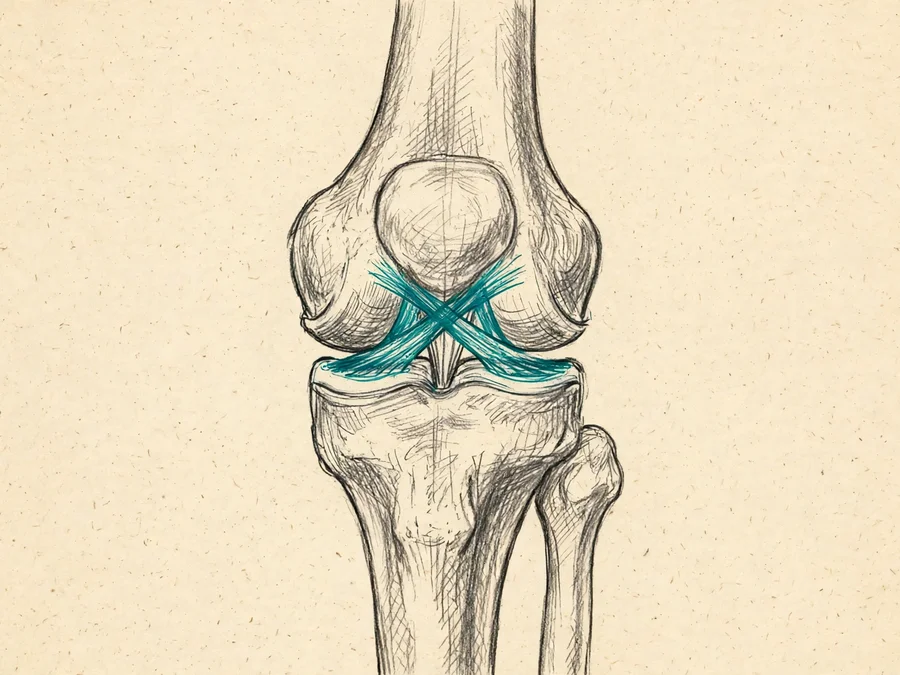
The injury pattern
Knee injuries, especially torn ACLs, and stress injuries in bones are a bigger problem in female athletes, and training can do something about both.
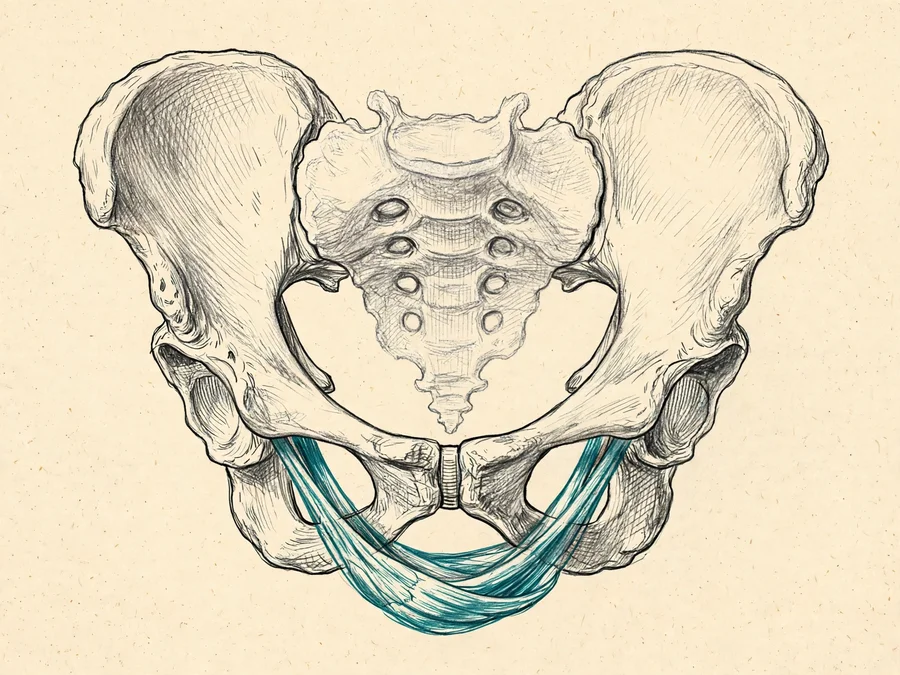
The health flags
Eating too little for the training being done, and the pelvic floor, need specific attention that a generic program never gives them.
On the first: a girl going through puberty grows taller and her body changes shape, but she does not get the surge in muscle and power that boys get at the same age. Nobody hands her that strength; she has to build it, and the teenage years are a valuable time to do it. Later, pregnancy changes what training should look like for a while, and around menopause muscle and bone are lost faster if nothing pushes back. On the second: some of the injury gap is anatomy, but the guidelines argue some of it is preparation, because girls have historically been given less strength training, started later, and coached less seriously. On the third: eating too little for your training, a problem called RED-S, often hides behind what looks like discipline, showing up as missed periods, repeated injuries and recovery that never quite happens.
What about training around your period?
That question is so common, and the industry built around it is so large, that it gets the next two articles in this series all to itself. The short version: the guidelines reviewed the evidence and found that the stage of your cycle makes, at most, a tiny difference to what your muscles can do, and there is not enough evidence to build training plans around it. Feeling worse on some days is a separate matter, and a real one. Parts 2 and 3 take the two halves of that story in turn.
Why do women often look behind in the gym, then?
Partly because many are, and the guidelines are blunt about why. Women, on average, do less exercise overall than men and lift weights less often, and girls have traditionally been started later and coached less seriously. If somebody has five fewer years of training behind them, they will lift less today. That gap is a training history, not a ceiling, and it closes the same way any training gap closes: with time spent on a proper program.
This matters in a clinic too, and I hear it from the other side of that conversation.
What should you actually do with this?
Train with the same sound principles as anyone else: lift progressively, practise the big movements, eat enough for the work you are doing, sleep, and give it months rather than weeks. Then personalise the parts that genuinely differ: your injury history, your stage of life, your pelvic floor, your fuelling. Those are personal, and they are exactly the parts a generic internet program cannot see.
If pain, an old injury, pregnancy, or a health condition is part of your picture, get assessed before loading heavily. That is not a women's rule either. It is the same advice, properly applied.
Frequently asked questions
Will lifting heavy make me bulky?
No, not by accident. Building large amounts of muscle takes years of deliberate training and eating aimed at exactly that goal, in men and women alike. What progressive strength training usually changes first is strength, bone density, joint support and how capable you feel day to day.
Should I avoid certain exercises because I am a woman?
Not just because you are a woman. Which exercises suit you should follow your goals, your injury history and what your body tolerates, the same as for anyone. Some situations, like returning to lifting after childbirth, deserve an individual assessment first.
Is it safe for teenage girls to lift weights?
Yes, with supervision and sensible progressions. The guidelines treat the teenage years as an important window, because girls do not get the automatic strength surge boys get at puberty, so building strength and safe landing skills early helps protect their knees later.
Do I need a women's only program?
You need a program built around your goals, your history and your stage of life. If a program marketed at women does those things well, fine. If it is lighter and easier just because it is pink, it is not a women's program. It is an under dosed one.
This article is Part 1 of a seven part series on the new guidelines for training women. Part 2 asks the question the fitness apps are built on: should you plan your workouts around your period? Part 3 then asks why you can feel weaker before your period even when your muscles are not.
If you want help building strength safely, around an injury, a pregnancy, or a stage of life that has changed what your body needs, our Performance & Recovery work is built for exactly that, and our free Self-Assessment asks the screening questions a physiotherapist would ask.
A quick note on safety
This series explains research and general principles. It is not personal medical advice, and it does not replace an assessment. If you are pregnant, returning after childbirth, managing an injury, or your periods have stopped or become irregular, speak to your doctor or physiotherapist before training hard. Those situations are individual, and they deserve individual answers.
References
- Dabbs NC and colleagues. NSCA Position Statement on Strength and Conditioning of Female Athletes, Part I: Lifespan, Injury, and Health Considerations. Journal of Strength and Conditioning Research, 2026. PubMed 42383448
- Dabbs NC and colleagues. NSCA Position Statement on Strength and Conditioning of Female Athletes, Part II: Training Adaptations and Program Design. Journal of Strength and Conditioning Research, 2026. Journal full text